Data centers play a critical role in the digital age, serving as the backbone of modern computing infrastructure.
As the global data center industry continues to experience robust growth. With a projected compound annual growth rate (CAGR) of 10% to 15%, the significance of data center server racks cannot be ignored.
In this blog, we will explore the evolving role of server racks in data centers. Highlighting their enhanced functionalities, and how they contribute to the overall efficiency and effectiveness of modern data centers.
Traditionally, server racks were seen as mere enclosures for networking and server equipment.
However, manufacturers have recognized the need for improved aesthetics within data centers.
They have introduced innovative designs to ensure that server racks
not only provide functional support but also enhance the overall visual appeal, whether in single or multiple rack deployments.
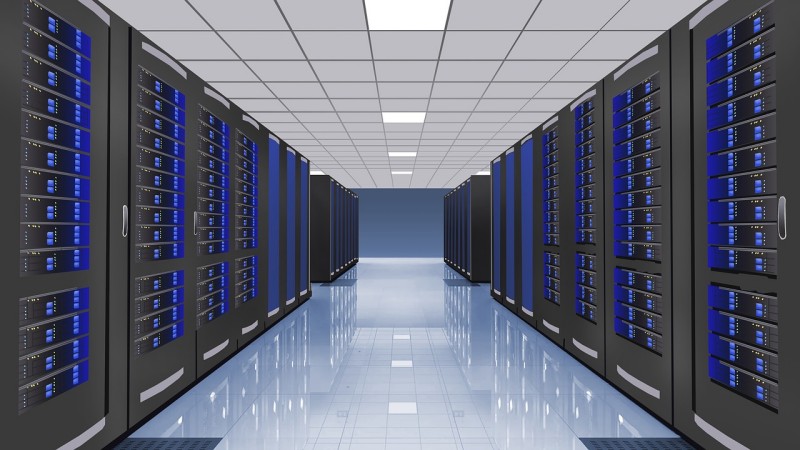
To meet the high operational and security requirements of data center environments, there is an increasing demand for intelligent server racks equipped with advanced monitoring systems. These intelligent racks offer a range of monitoring functionalities, including:
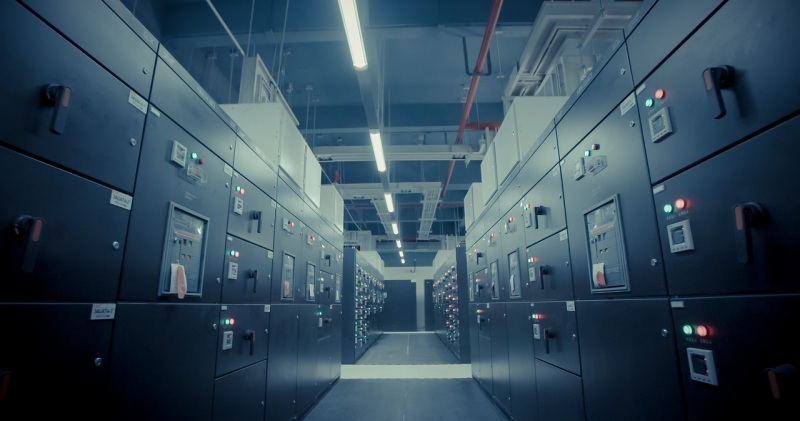
Heat generated by communication equipment in server racks can affect their stable operation.
Intelligent cooling solutions address this issue by providing on-demand adjustments based on the specific requirements of each rack, avoiding unnecessary waste and reducing initial investments and energy consumption.
Additionally, these solutions enable full-load support for equipment within each rack, eliminating the risk of localized overheating and associated server failures.
By optimizing space utilization, intelligent cooling racks significantly reduce space requirements and operational costs, offering approximately 20% savings in running expenses.
Standard server racks adhere to the 19-inch equipment installation width measurement specified by the Electronic Industries Association (EIA).
While the width of 19 inches (48.26 cm) remains consistent, the physical dimensions of server racks vary in terms of width, height and depth.
Commonly available widths include 600 mm and 800 mm, while heights range from 0.7 m to 2.4 m. Depths typically span from 450 mm to 1000 mm, accommodating the size of internal equipment.
The standard unit of height measurement is "U," with 1U equivalent to 44.45 mm. Non-standard equipment can be fitted into 19-inch racks using additional adapter brackets.
It is important to note that the number of servers accommodated in a 42U rack is typically between 10 and 20 to allow for proper heat dissipation.
As data centers continue to evolve, the role of server racks has expanded beyond their traditional definition.
They now offer improved aesthetics, intelligent management capabilities, and energy-efficient cooling solutions.
By embracing these advancements, data center operators can optimize their infrastructure and enhance overall operational efficiency. Contact us and start your Data Center projects!